5 Steps to Dress More Confidently as a Man
The five critical steps that took me from ketchup-stained tees and jeans to real style confidence.
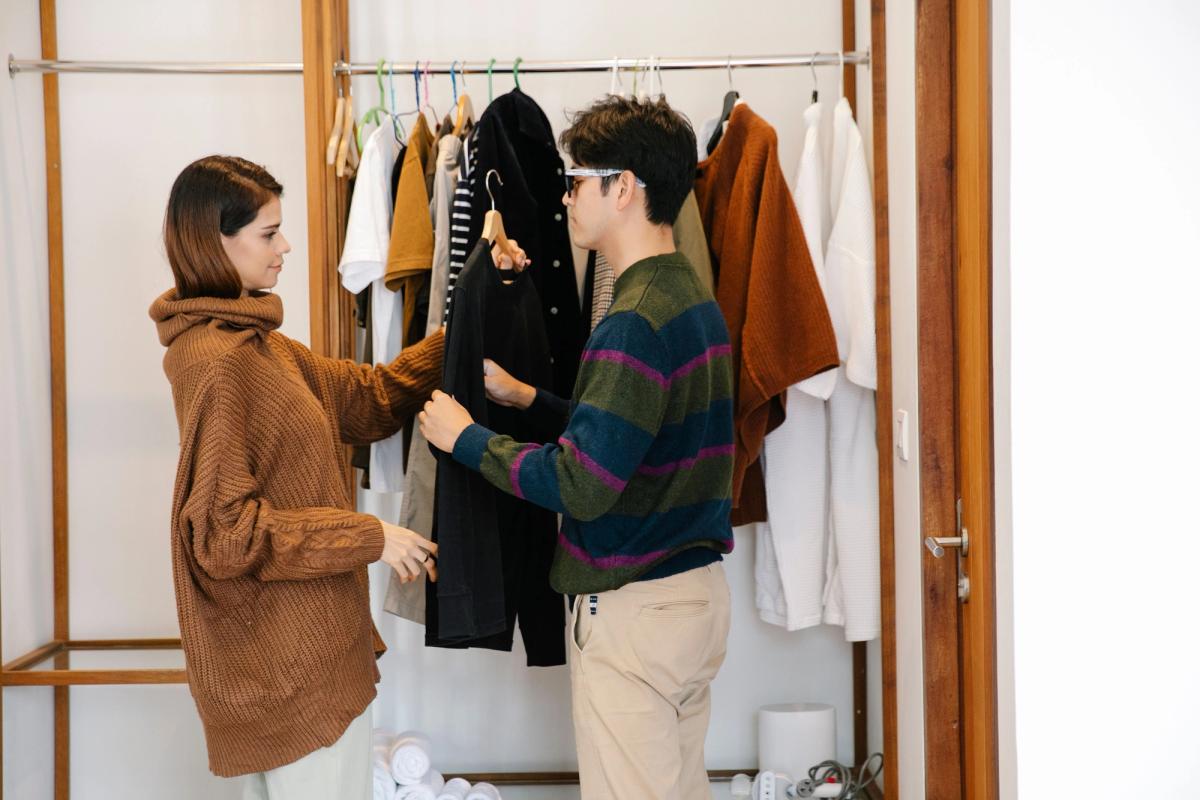
For nearly 26 years, I had genuinely no idea how to dress myself, but I don't fault myself. My dad wore the same polo for everything from steak dinners to basketball games. I learned that being comfortable was far more important than being confident. The issue is, when you get comfortable in clothing that doesn't represent you, the world takes notice.
After spending the entirety of high school wearing baggy jeans, free promotional tees, and worn-out shoes as a uniform, I started to take pride in being low maintenance. I started to think that neglecting myself and my health, rooted in my clothing, made me different.
Spoiler alert: it just made me sad. Depressed, even.
After Covid, I stumbled around trying to find clothing that made sense for me. New shoes that weren't torn. Jeans that complemented my massive thighs. Accessories that cost nearly nothing but expressed my individuality. I was far from figuring it out, but I was getting there. The world took notice — the same way it had when I wore my pit-marked, ketchup-stained WHS Track and Field T-shirt.
Self-worth doesn't come from external validation, but catching an attractive woman taking a second glance sure helps.
These are the five steps that helped me discover my personal style and regain my confidence in every outfit I wear.
I promise it doesn't start with building a capsule.
1. Learn Your Basic Pieces
I knew the basics of clothing, but I didn't know the basics of style. Shirts were for normal days and dress shirts were for special things. It was simple.
So when I walked into a store, everything looked interchangeable, and I bought whatever I thought looked good with an unmatched pair of — you guessed it — jeans. Here's the kicker, though: your dinner is going to suck if you mix up salt and sugar. Once you know your options, you have the opportunity to create art.
Your Basic Shirts
The crewneck tee. The plain one. The foundation of about half of what you'll wear. The thing that separates a good one from a free promotional one is weight — hold it up to a window, and if you can see your hand clearly through it, it's going to look cheap and cling in all the wrong places by June.
The henley. A tee with a short button placket and no collar. Slightly more intentional than a tee for zero extra effort, which makes it one of the highest-value shirts you can own.
The polo. My dad's whole personality. In fairness to him, a good polo is genuinely versatile — it just can't be the only thing you own. Knit polos in merino or a textured cotton read considerably sharper than the piqué ones with a logo on the chest.
The button-down. If you buy one shirt after reading this, buy this one. White or light blue. It works under a sweater, under a jacket, tucked, untucked, sleeves rolled, at a wedding, at a bar. Nothing else in your closet does that much.
The dress shirt. Smoother fabric, stiffer collar, meant to be tucked and worn with a jacket. You need one. You probably don't need four.
The camp collar. The open, flat collar you see on summer shirts. Great in warm weather, easy to wear over a tee, and it instantly makes you look like you thought about your outfit.
Types of Pants
This is where fit does the most work, and where I had the most trouble. I have big thighs. For years I thought that meant my only options were baggy or painful.
It doesn't. It means I need a tapered cut — room through the thigh and seat, narrowing toward the ankle. Not skinny. Not straight-through-the-leg wide. Tapered. Finding that word changed more about how I looked than any single purchase I've ever made.
Jeans. The cuts you'll see are slim, straight, tapered, relaxed, and wide. Start with a dark, non-distressed pair in whichever of those actually fits your build. Dark denim dresses up. Light denim reads casual. Distressed denim reads like you're trying.
Chinos. Cotton twill, cleaner than jeans, more relaxed than trousers. They sit exactly in the middle of your wardrobe and touch almost everything. Navy, olive, khaki, stone.
Trousers. Wool or wool blend, meant to be worn with a jacket or on their own when you want to look sharp. One pair covers you for years if your life doesn't demand more.
Shorts. Get an inseam that hits somewhere around the top of your knee. Above mid-thigh and you're in a specific look you have to commit to. Below the knee and the proportions collapse.
Cargos. Fine. Genuinely. Just pick one utilitarian element per outfit — cargo pants and a work jacket and boots is a costume.
Basic Layers
Layers are the cheat code. They're how the same five shirts turn into thirty outfits, and they're the single fastest way to look like you're dressed rather than covered.
The overshirt. Sometimes called a shacket or a chore coat. Heavier than a shirt, lighter than a jacket, worn open over a tee. If you own one layer, own this. It does more for a plain outfit than anything else at its price.
The crewneck sweater. Merino or lambswool, not chunky cotton — thin enough to layer under a jacket, warm enough to wear alone. Gray, navy, or oatmeal.
The denim or trucker jacket. Works with almost everything that isn't denim of a similar wash.
The bomber. Clean, simple, no hardware drama. Easy over a tee, easy over a shirt.
The blazer. Unstructured navy is the forgiving one. It's not a suit jacket that lost its pants — it's built softer, and it's meant to be worn with jeans.
A real coat. Whatever your climate actually demands. You'll wear it over every other outfit you own for four months a year, so it's worth caring about more than most of what's under it.
Basic Accessories
This is where the personality goes, and it's the part I found first — mostly because it's the part I could afford.
I bought a $12 chain and a pair of secondhand glasses frames before I owned a single decent shirt. Objectively, that's the wrong order. But those two things were the first clothes I ever wore that felt like a choice rather than an accident, and that mattered more to me at the time than being correct.
The belt. Match it roughly to your shoes. Brown with brown, black with black. This is the one accessory rule worth being strict about, because getting it wrong is one of the few things people consciously notice.
A watch. Doesn't need to be expensive. Needs to fit your wrist and suit the rest of the outfit.
Caps and hats. A plain cap is fine. A cap is not, however, a substitute for a haircut, which took me embarrassingly long to accept.
Glasses and sunglasses. Frames sit on your face all day, which makes them the highest-visibility thing you'll ever buy. Worth spending real time on.
Jewelry. Chains, rings, bracelets. Start with one. Add slowly. This is the most personal category in menswear and the one where nobody else's rules apply to you.
Socks. Not decoration — just don't let them undermine you. No visible sport socks with anything other than sneakers.
2. Understand Attire
Attire runs on a simple spectrum. It defines how dressy a given outfit is for a given occasion. Slacks with dress shoes and a dress shirt? Pop the champagne. Slacks with sneakers and a t-shirt? Beer. Definitely beer.
Attire is nothing more than knowing what room you're going to be in. Walking into a dive bar in a tuxedo is just as bad — if not worse — than swinging by the Met in chunky cargo pants and a muscle tee.
Casual. Errands, friends, weekends, the gym-adjacent life. Tee or henley, jeans or chinos, clean sneakers. The bar here isn't low, it's just relaxed — casual still means clean, still means it fits.
Smart casual. This is the one that trips everyone up, and it's also where most of adult life happens. Dates, dinners, modern offices, travel, anything where the invitation doesn't say. Collared shirt or a knit, chinos or dark denim, leather shoes or minimal sneakers. Jacket optional.
Business casual. Smart casual with the volume up. Button-down or dress shirt, trousers or dark chinos, leather shoes, usually a blazer. No tie required.
Business formal. Suit, dress shirt, tie, leather shoes. If a dress code is written down anywhere, this is usually what it means.
Black tie. Tuxedo. Rent one, it's fine, everybody does. Just don't try to approximate it with a black suit and hope nobody clocks it, because they will.
White tie. The most formal dress code that exists: tailcoat, white bow tie, white waistcoat, formal white shirt. You will almost certainly never need it, and if you ever do, the invitation will say so in plain English and there will be time to rent.
3. Discover Your Personal Thematic Style
For about a year after Covid, I bought good clothes that had nothing to do with each other.
A workwear jacket. A pair of tailored trousers. Some tennis shoes. Every piece was fine on its own, but they were unwearable with the rest of my closet. Bad color matching, bad attire matching, on and on. I'd found pieces I loved, but I ended up wearing them with the same three things. Over and over and over.
What I was missing is what I call a theme: a rough conceptual direction that everything nods toward. It's not a costume, and you sure as hell don't have to tell anyone what theme you're running with. In fact, I suggest you don't. But I'll tell you the ones I picked: Brooklyn Corp, Rustic Casual, EAT (East Atlanta), Old Money, and Grandpa Core.
Generally, these are all some combination or twist on classic styles — business, rustic, workwear, and so on.
You're unique. Make it unique. It also makes every decision you make about your closet intentional. You can dress a theme up, dress it down, evolve it over time, or scrap it altogether — but at least you'll be confident in the decision.
4. Find Inspiration
You cannot develop personal taste in a vacuum. Find and capture inspiration to refine the things you actually enjoy.
Google it. Literally just Google the style themes you're interested in and observe. Notice the basics you now recognize. Notice the pieces that stand out. Decide whether that theme exists in another form, or whether it's something you can create altogether.
Build a mood board in Pinterest. Once you've landed on themes that generally work for you, create a board and start adding images that match. Use it as a reference when you're looking at your own closet or deciding what to wear.
Pinterest and Google are fantastic starting points, but don't lean on them exclusively. What you'll find there tends to be highly manicured — useful for building a mood board, but often difficult to translate into your own closet.
Clock when you think someone looks good. When you're out in public, pay attention to the people who stand out in a crowd. Man or woman, doesn't matter — look for people who have clearly set themselves apart through their style decisions, whether you personally like the style or not. Not just anyone you notice, but someone you notice because they clearly own the outfit they chose.
Look at men who share your build. A lot of what you'll see online is built on physiques that photograph well. If your body type matches, great — pay attention to them. If you're broader, skinnier, larger, or generally outside the average, pay particular attention to men who share your build. Find guys your height, your weight, your proportions, and take notes.
Similarly, find a celebrity influence — someone who's had the time and money to develop a style designed to stand out.
Ask why, not what. Don't buy the exact jacket. Ask what's working: is it the proportion? The color pairing? The fact that everything's tonal except one piece? Copy the principle and apply it to what you already own. That's how inspiration becomes style.
5. Don't Impulse Buy
If it doesn't fit your theme, don't buy it.
The impulse buy is the single most expensive habit in menswear, and it's especially dangerous right when you start caring about clothes. Suddenly you're ready to experiment and everything feels like an opportunity. But when you buy without intention, you compromise on fit, quality, cut, and versatility all at once. Don't empty your bank account on unusable pieces.
Frequently asked
What are the basic pieces every man should own?
A white or light blue button-down, a well-fitting crewneck tee, dark non-distressed jeans, chinos, an overshirt or chore coat, and one pair of leather shoes. That combination covers casual through business casual, which is where most of adult life happens.
What does smart casual actually mean for men?
A collared shirt or a knit, chinos or dark denim, and leather shoes or minimal sneakers. A jacket is optional. It's the dress code for dates, dinners, modern offices, and travel — basically anywhere the invitation doesn't specify.
How do I find pants that fit if I have big thighs?
Look for a tapered cut, which gives you room through the thigh and seat while narrowing toward the ankle. It is not the same as skinny, and it is not straight-through-the-leg. Learning that one word does more than any single purchase.
Where should I look for men's style inspiration?
Start with Google and a Pinterest mood board for your chosen theme, then pay attention in the real world — especially to men who share your build. Ask why an outfit works rather than what it is, then apply the principle to what you already own.
More from the Bauhaüs Blog

3 Casual Outfit Ideas That Will Elevate Your Confidence
Discover 3 effortless casual outfit ideas for men that elevate your style game. Explore our tips for versatile, basic looks that impress.
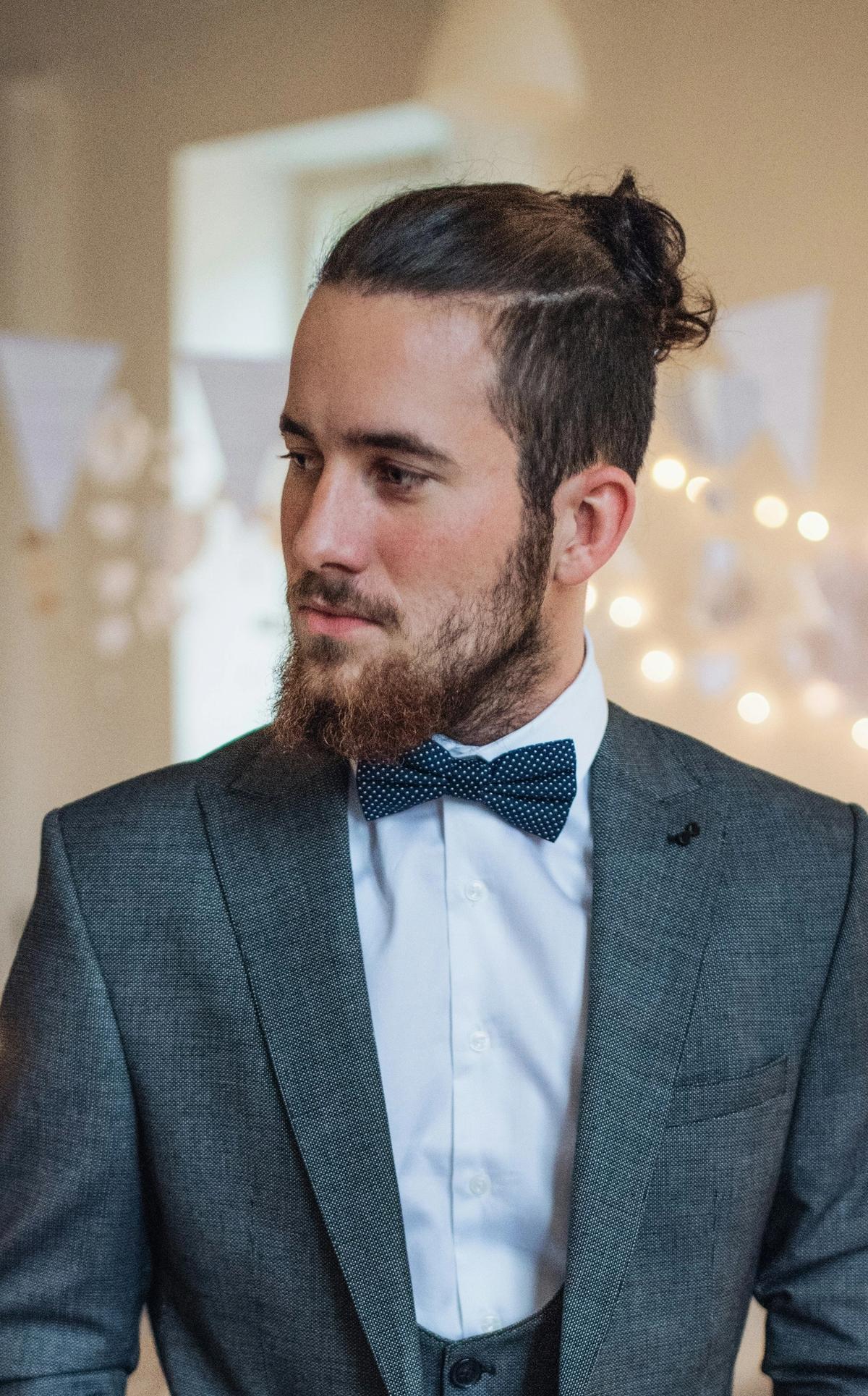
Men's Dress Codes Explained: From Casual to Black Tie
Eight men's dress codes, from casual to black tie. What each one actually means, how to wear it well, and where each one belongs.