Men's Dress Codes Explained: From Casual to Black Tie
Eight men's dress codes, from casual to black tie. What each one actually means, how to wear it well, and where each one belongs.
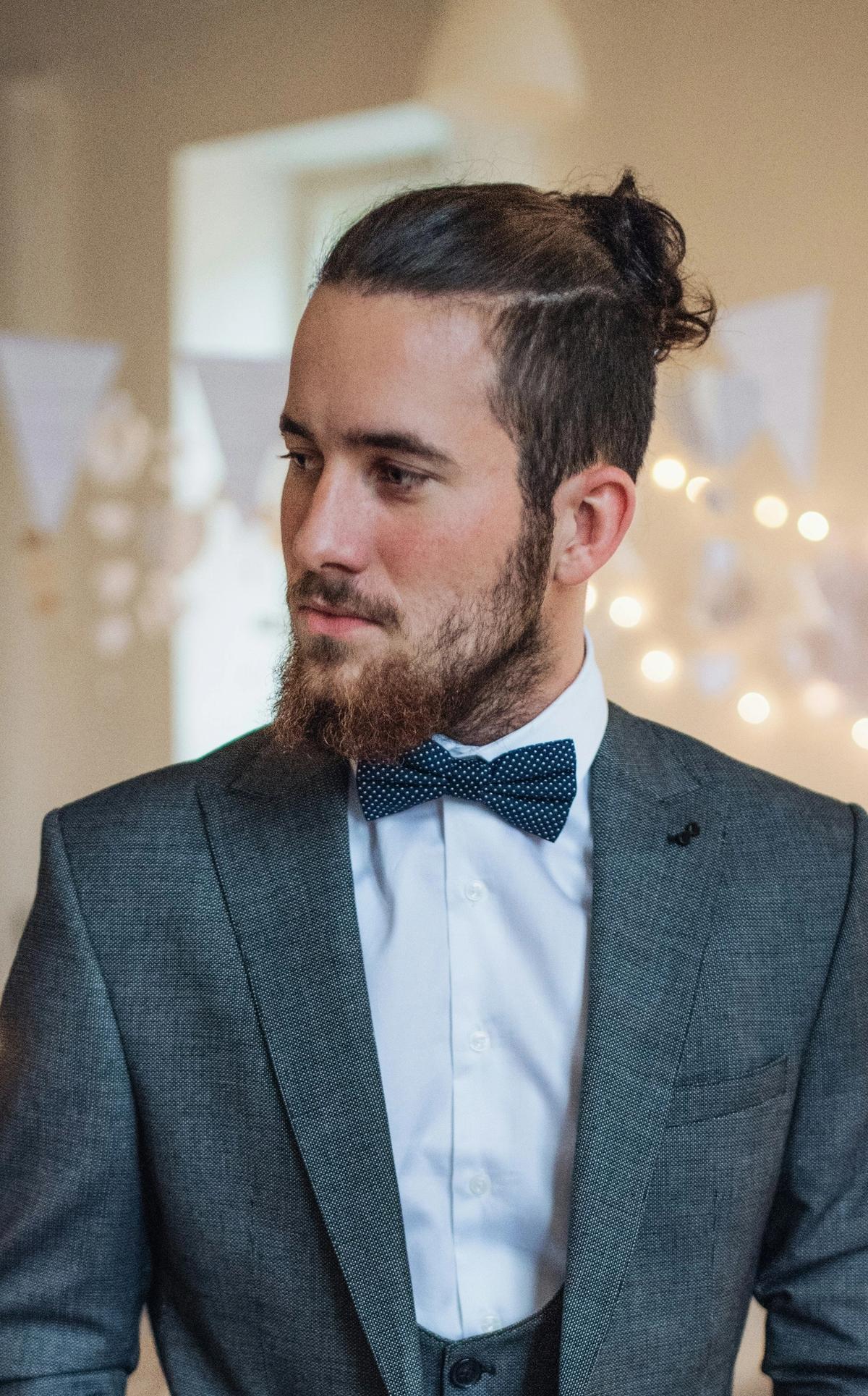
Why Care About Men's Attire At All?
How many times have you google searched the difference between business casual and smart casual? Semi-formal and formal? When to wear each type? Me too. The reality is that men's attire is a spectrum, but each level brings its own challenges, needs, and expectations. This guide will help you learn what to wear, when to wear it, and how to take your confidence up a notch.
Categories of Men's Attire
At Bauhaus, we identify eight specific categories, each one level up from the other. Moving up the scale further up the scale means more structure, darker colors, and higher prices.
Casual
The Basics
Casual is the level everyone assumes they've got covered. It's also where I did the most damage to myself, for the longest stretch of time, without noticing.
There's no collar requirement here, no leather shoe requirement, no structure requirement. Once you take all of that away, what's left is fit, condition, and color. Those three were always doing the work anyway. At every other level on this list, the dress code covers for you a little. Here it doesn't cover for you at all.
The practical result is that a bad casual outfit is more visible than a bad suit. A suit that fits imperfectly still reads as a suit. A t-shirt with a stretched-out collar reads as a t-shirt with a stretched-out collar.
How To Wear It Well
Shoulder seams. The seam should sit at the edge of your shoulder bone. If it's hanging down onto your arm, the shirt is too big and no amount of tucking or layering will hide it. It's worth understanding more of the basics along the way.
Avoid the free swag unless it is genuinely well made. 5K shirts, conference swag, promotional tees from a job you left. A plain heavyweight cotton tee runs about $25 and is a much better choice as you begin to build a stronger closet. Graphic tees also work well when chosen intentionally.
Dark denim, minimal distressing, in whatever cut fits your build. Dark wash goes almost anywhere. Light wash goes to particular places. If your jeans are distressed, make sure you picked them that way instead of taking whatever the store had in your size.
Clean the sneakers. Nobody will tell you yours are dirty, but they'll probably notice.
Add layers or accessories when you can. An overshirt worn open, a flannel, a crewneck over a collared tee. A watch, necklace, or belt often goes a long way to add dimension to an outfit.
Where to Wear it
This is your off the clock basic. Errands, casual coffee, breweries, a friend's backyard. Plenty of offices and workplaces support a casual look too, though I'd recommend jumping up a notch in almost every case.
Semi-Casual
The Basics
Semi-casual is the updated casual. As a man working to improve my style, I aim to reach this at the absolute minimum. The idea is a casual foundation with one deliberate upgrade to the outfit. Trousers with your t-shirt. Updated sneakers instead of the overused tennis shoe. An intentional graphic tee that really means something to you. It is all about intention.
How To Wear It Well
Be intentional and take step up across one item of clothing. This is also wear you can begin to lean in to updated basics.
Where to Wear it
Neighborhood restaurants, brunch, gallery openings, day drinking with the boys, first dates, coffee with a client, you name it. Any invitation that says come as you are, where you'd still prefer people notice you.
Smart Casual
The Basics
Smart casual is the next step up. Now you'll want to upgrade 2-3 pieces rather than one, and be sure to understand that it has range across many unique themes.
How To Wear It Well
Split your halves. Dressy up top with something relaxed on the bottom, like a sweater with dark jeans. Or casual up top with something sharp on the bottom, like a fine gauge merino crewneck with wool trousers.
Where to Wear it
Nice restaurants, dates you care about, drinks with your boss, rehearsal dinners, conferences, art openings. Also anywhere the invitation didn't specify anything, which happens constantly. When you have no information, this is the best guess available.
Business Casual
The Basics
Business casual and smart casual look similar in a photo, but operate very differently, with very different intentions. Smart casual tends to lean casual with upgrades, and business casual leans formal with downgrades.
You could start adding a tie here, but be sure to remove denim altogether. Pants should always lean towards trousers, dress pants, chinos, or most other non-denim pant.
How To Wear It Well
Trousers or chinos. Wool, flannel, or a heavier cotton twill in navy, charcoal, grey, tan, or olive. Flat front. A dark chino covers most of your week.
Boring shirts. Oxford cloth button downs, poplin in white and light blue, maybe a bengal stripe. Avoid the shiny synthetic dress shirts that come with a spread collar, because they don't hold a shape and they photograph badly.
Tuck it properly. A shirt with a curved hem and side gussets was designed to be tucked. Look up the military tuck if you're blousing out over your waistband by lunch.
A sport coat or blazer can bump you up in the right setting, but will age you in the wrong one. Navy, grey, or a muted check. Don't use a suit jacket separated from its trousers. The fabric will look wrong against anything that isn't its match and most people will notice.
Where to Wear it
Most corporate offices, client meetings, conferences, business dinners, networking events, and interviews at companies that describe themselves as relaxed.
Business Professional
The Basics
Business professional attire is a large leap towards formal and means a matched suit, a tie, and leather dress shoes. There's very little room for interpretation, which is the point. Think Mad Men. You get the point.
Aim for conservative color schemes with well fitted pieces. Only aim to stand out with unique colors or patterns if the occasion leans semi-formal.
How To Wear It Well
Navy, grey, black, and sometimes brown. Lean towards solid or gentle textures that are subtle. Light grey or navy with linen fabric works well for daytime in warm months. Deeper navy and softer black colors are better for cooler months.
Get that thing tailored. An off the rack suit with $80 of alterations is better then a poorly fit $600 soot any day.
Never fasten the bottom button. On a two button jacket, fasten the top when standing, unfasten when you sit down. Keep the bottom open to follow tradition.
Keep your shirt simple. White or lightly colored based on the season, point or semi-spread collar. Undershirt if you sweat, but make sure it isn't visible!
Tie. Silk is best and keep it at roughly 2.75 to 3.25 inches wide depending on your lapel, in navy, burgundy, or a subdued stripe.
Dark socks, long socks. Keeping a darker sock similar to the color of your pant will help to make sure that your ankle isn't visible and your sock doesn't call too much attention. When you sit and cross your legs there shouldn't be a strip of bare shin showing.
Where to Wear it
Interviews, court, client pitches, board presentations, law and banking offices, formal business dinners. This is the uniform version of formal.
Semi-Formal
The Basics
Classically, semi-formal had a much broader definition than it does today. Older definitions that lean more towards formal still tend to pop-up, but today's practice is just fundamentally different.
In practice semi-formal (or cocktail) should evoke the feeling of a nice wedding or upscale bar, without the stuffiness, frankly, of Business Professional.
How it's perceived, however, is much more dependent on both time and setting than business casual or even formal.
How To Wear It Well
Start with an all light or all dark suit. Midnight navy, charcoal, for evening and cold weather events especially, or add a strong pop of color or texture for daytime and warm weather events. Silk or wool work well for this approach, and a gentle sheen can help.
Wear a tie unless you have a good reason not to. Keep a dark solid or subtle pattern. Be sure to match both colors and textures with your suit. A dark knit tie works well if the event leans more cocktail than formal.
Try to add one solidly refined detail to your wrist or your chest. A linen pocket square, or a tie bar, or a bold dress watch. Choosing all three is ok, but be warned that you begin to lean into formal territory.
Where to Wear it
Weddings that don't specify black tie, cocktail parties, holiday parties, charity galas, awards dinners, opening nights, anniversary dinners somewhere you had to book two months out. Words like gala, benefit, and reception usually put you here.
Formal
The Basics
Traditionally, formal is the highest rung on the ladder, but those definitions have started to change quite significantly. While the definition used to be what we will consider "black tie" this is a slightly dressed down version of the same basics.
From a modern man's perspective, formal attire means putting your best foot forward without wearing a full tuxedo. This includes everything in semi-formal turned up to 11 and tonally dark. Your best dark suit, your best shoes, a well fitted dress shirt, and accessories to boot.
How To Wear It Well
Wear midnight blue or charcoal, a white shirt, a black silk tie, polished black oxfords, and a white pocket square.
Keep everything in one color family. Black, white, very dark blue. No brown shoes, no brown belt, no patterned shirt. A single warm colored item will pull the whole thing down a level.
When you can't tell what the host meant, text and ask. If you can't ask, dress up rather than down. It is always better to be slightly overdressed than slightly underdressed.
Where to Wear it
Formal weddings, diplomatic functions, opera openings, major award ceremonies, traditional institutional events.
Black Tie
The Basics
Black tie means on thing for a traditional man - a tuxedo. Not a black suit with a bow tie added, an actual tuxedo, which you can identify by three things: satin or grosgrain facing on the lapels, a satin stripe down the outside of the trouser leg, and a lack of belt loops.
How To Wear It Well
Tuxedo jacket. Black or midnight blue. A dark color is acceptable when the event specifically states it. Be sure that the tuxedo has a peak lapel or shawl collar.
Trousers. Same fabric as the jacket, satin or grosgrain stripe down the side, no belt loops. Generally side adjusters, straps, or braces hold them up.
Shirt. White, with a pleated or piqué front and a turndown collar. Studs down the placket instead of buttons, french cuffs with links, and the studs and links should match.
Bow tie, black silk, and, preferably, tied by you. A self tied bow that's slightly uneven looks better than a symmetrical pre-tied one.
Shoes and socks. Patent leather oxfords, or black calfskin polished hard. Velvet slippers if that's your thing. Black silk or fine wool socks, over the calf.
Where to Wear it
Evening weddings that specify it, galas and benefits, symphony and opera openings, cruise formal nights, New Year's Eve if you're doing it properly. Realistically you'll wear this four or five times in your life.
Conclusion
Eight levels seem like a lot to memorize. So don't. in practice, it is a simple scale the build on the other, and after a few intentional tries you'll have it down. Just remember that moving from casual up means more structure, darker colors, smoother fabric, upgraded pieces, and overall fewer decisions to make.
More from the Bauhaüs Blog

3 Casual Outfit Ideas That Will Elevate Your Confidence
Discover 3 effortless casual outfit ideas for men that elevate your style game. Explore our tips for versatile, basic looks that impress.
5 Steps to Dress More Confidently as a Man
The five critical steps that took me from ketchup-stained tees and jeans to real style confidence.